✅ What you'll learn
- What Setting Rules for Your AI 🤖 | Keep It Smart, Safe & Under Control means in simple words
- Real-world examples kids understand
- How to use this safely
- Fun activities to try yourself
💡 Perfect if you're thinking...
Setting Rules for Your AI 🤖 | Keep It Smart, Safe & Under Control
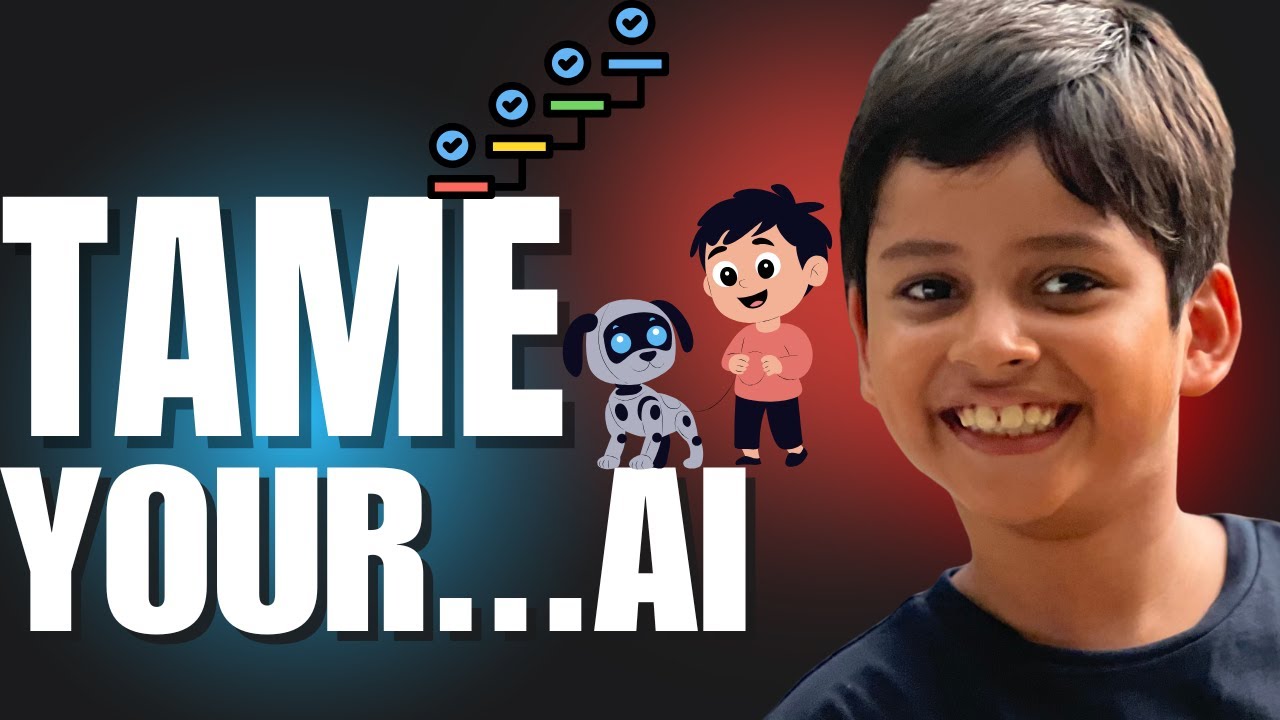
Setting rules for an AI agent — like what it can and can't do — keeps it safe, focused, and under your control.
Why AI Needs Rules
An agent with no rules might wander off-task or do something risky. Good rules tell it what it's allowed to do ('only use trusted sources'), what to avoid ('never share personal info'), and when to ask a human first. These guardrails are how developers keep powerful AI helpful and safe.
Frequently Asked Questions
Why set rules for an AI agent?
Rules keep the agent safe, focused, and under control — telling it what it can do, what to avoid, and when to ask a human.
What kind of rules do AI agents need?
Limits like 'only use trusted sources,' 'never share personal information,' and 'ask a human before doing anything risky.'
What happens without rules?
An agent might wander off-task or do something risky. Rules are guardrails that keep powerful AI helpful and safe.
📚 Sources & Further Reading
- Generative AI — Wikipedia
- Ethics of AI — Wikipedia
- AI advice for families — Common Sense Media
- Artificial intelligence — Britannica
Written by Parikshet More (KidsFunLearnClub, Dubai) and reviewed for accuracy. Facts checked against the references above.
Why Do AI Agents Need Rules?
An AI agent without rules is like a car without a steering wheel — incredibly powerful but completely uncontrollable. Rules (also called system prompts or guardrails) tell your AI exactly what it can do, what it must never do, and how it should behave in every situation — including the tricky ones.
How to Set Rules for Your AI Agent
- Define Its Purpose Clearly — Start with: "You are a homework helper for children aged 8 to 12. Your only job is to help with school subjects. Do not discuss anything outside of school learning." This single rule prevents most problems.
- Set Tone and Language Level — "Always use simple, friendly language. Never use vocabulary a 10-year-old would not know. Be encouraging and patient."
- Add Privacy Protection Rules — "Never ask for or encourage sharing of personal information like home addresses, school names, or family details."
- Create Clear Refusal Behaviour — "If asked about anything inappropriate, violent, scary, or unrelated to school, politely say: I can only help with school questions! What subject are you working on?"
- Test Your Own Rules — Try to break them yourself by asking borderline questions. Every gap you find and fix makes the agent safer and more reliable.
- Review and Update — Rules written today may need updating as you learn more about how your agent behaves in real use. AI safety is ongoing maintenance, not a one-time setup.
Where Are AI Rules Used in Real Life?
- Every major AI company — OpenAI, Anthropic, Google — has dedicated safety teams writing and testing the rules that govern how their public AI models behave.
- Children's educational apps have strict content rules preventing AI from discussing anything age-inappropriate under any circumstances.
- Corporate AI assistants have rules preventing them from making commitments, quotes, or refund promises that the company has not approved.
Why Should Kids Learn AI Safety Rules?
Building safe AI from the start is dramatically easier than trying to fix unsafe AI after problems occur. Understanding rules and guardrails is one of the most important skills in the entire AI engineering field.
Fun Fact!
Anthropic — the company that makes Claude AI — was founded specifically to focus on AI safety research. Their stated mission is "AI safety for the long-term benefit of humanity." Safety is not an afterthought — it is the whole point of the company!
Try This With ChatGPT
With a grown-up, open a new ChatGPT chat and paste this prompt, changing [my age] to your age:
Explain “Setting Rules for Your AI 🤖 — Keep It Smart, Safe & Under” to a [my age]-year-old using one real-life example. Then tell me one thing AI still gets wrong about this topic, and give me a 3-question quiz.
Exact steps, follow-up prompts and safety rules are in our parent-guided ChatGPT guide. More ideas: creative AI activities for kids.
🧠 Quick Quiz — Test What You Learned!
Created by Parikshet & Dad
Hi! I'm Parikshet, an 11-year-old creator from Dubai who loves drawing, art, science experiments, and golf. My dad and I run KidsFunLearnClub to share fun learning activities with kids around the world. We've created over 1,900 tutorials and videos to help you learn and have fun!
🎁 Free AI Activity Pack for Kids
20 hands-on AI activities Parikshet uses with his students — free, no credit card, instant download.
Get the Free Pack →Parikshet also teaches AI!
Join thousands of kids learning how AI works — in simple, fun lessons anyone can follow. Free activity pack included.
Explore AI for Kids → What is AI? Start here