✅ What you'll learn
- Key ideas from this activity
- Step-by-step guidance
- Tips from Parikshet (age 11)
- How to build on what you learn
💡 Perfect if you're thinking...
The Starlight symphony - Kids Bedtime Stories
Settle in for a wonderful story from Kids Fun Learn Club! Perfect for bedtime, quiet time, or anytime you want to spark your imagination.
About this story
Stories do a lot more than entertain. They help kids think about how people feel, why characters make the choices they do, and what they would do in the same spot. This one was picked because it sparks those little conversations naturally.
Listen all the way through once, then pick one moment to talk about together. Even a single question, like "what would you have done?", turns a quiet listen into a thinking exercise.
What kids take away
- A simple lesson hidden inside the story, easy to remember
- New words that come up in a fun, natural way
- A chance to imagine what happens after the story ends
- A reason to ask "why?" about the characters' choices
Make it a habit
One short story a day adds up. Kids who hear stories regularly tend to read with more confidence and ask better questions in class. It costs nothing but a few minutes, and it pays off for years.
Frequently Asked Questions
What age group is this story for?
This story is designed for children ages 3-10, but kids of all ages can enjoy it!
Can I listen to this as a bedtime story?
Absolutely! This story is perfect for bedtime. Turn down the lights and enjoy!
You Might Also Like
- Wish everybody a very Happy Durga Puja with Parikshet
- Ice- Cream Biscuit with MasterChef Parikshet| Cooking without Fire Ep 03
- The Cloud Who Couldn't Rain - Kids bedtime stories
- How to Draw Hulk from Avengers | Step by Step drawing of Hulk with KidsFunLearnClub & Parikshet
- Tangy Foxnuts with MasterChef Parikshet| Cooking without Fire Ep 05
About This Story
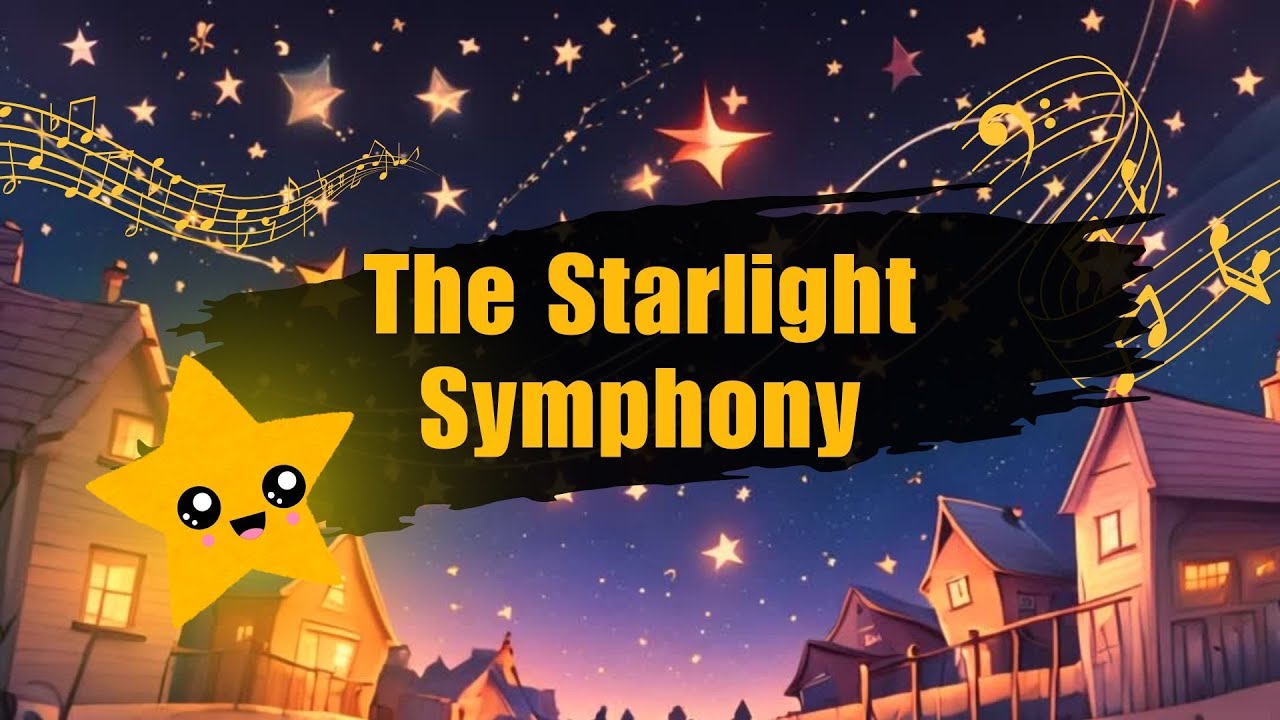
The Starlight Symphony is a magical bedtime story about the night sky coming alive with music — stars playing instruments, the moon conducting, and the whole universe performing a symphony just for children falling asleep below. It is a story that celebrates wonder, music, and the beauty of the natural world.
What to Look For
- Notice how the story uses sound words (sparkling notes, deep rumbles, silver chimes) to paint a picture you can almost hear in your imagination.
- Watch how the story creates a feeling of peace and wonder — bedtime stories work by gradually slowing your mind down and filling it with gentle, beautiful images.
- Listen for the connection between the characters in the sky and the child in the story — this bridge between the large (universe) and small (one child) is what makes the story feel both grand and personal.
- Observe how the language becomes softer and slower as the story progresses — this mirrors falling asleep and is a deliberate storytelling technique.
Words to Know
- Symphony: A long musical composition for a full orchestra, usually in several movements — one of the most complex and beautiful forms of music.
- Celestial: Relating to the sky or outer space — celestial objects include stars, planets, moons, and galaxies.
- Lullaby: A soft, soothing song designed to help children fall asleep — cultures around the world all have their own lullabies.
- Constellation: A group of stars that form a recognisable pattern and have been given a name, like Orion or the Big Dipper.
- Harmony: When different musical notes or voices combine to create a pleasing sound together — in stories, it also means peaceful cooperation.
Talk About It!
- If the stars were instruments in a symphony, which instrument do you think a bright, fast-moving shooting star would play?
- Have you ever looked at the night sky and imagined what the stars might be doing up there? What did you imagine?
- Why do you think humans have always created stories about the stars — what need does that fulfil for us?
What Did You Learn?
Stories remind us to look up, to wonder, and to find magic in the ordinary world around us. A child who lies in bed imagining the stars making music is developing exactly the kind of creative imagination that makes a brilliant scientist, artist, or storyteller!
🧠 Quick Quiz — Test What You Learned!
Created by Parikshet & Dad
Hi! I'm Parikshet, an 11-year-old creator from Dubai who loves drawing, art, science experiments, and golf. My dad and I run KidsFunLearnClub to share fun learning activities with kids around the world. We've created over 1,900 tutorials and videos to help you learn and have fun!
🎁 Free AI Activity Pack for Kids
20 hands-on AI activities Parikshet uses with his students — free, no credit card, instant download.
Get the Free Pack →Parikshet also teaches AI!
Join thousands of kids learning how AI works — in simple, fun lessons anyone can follow. Free activity pack included.
Explore AI for Kids → What is AI? Start here