✅ What you'll learn
- Key ideas from this activity
- Step-by-step guidance
- Tips from Parikshet (age 11)
- How to build on what you learn
💡 Perfect if you're thinking...
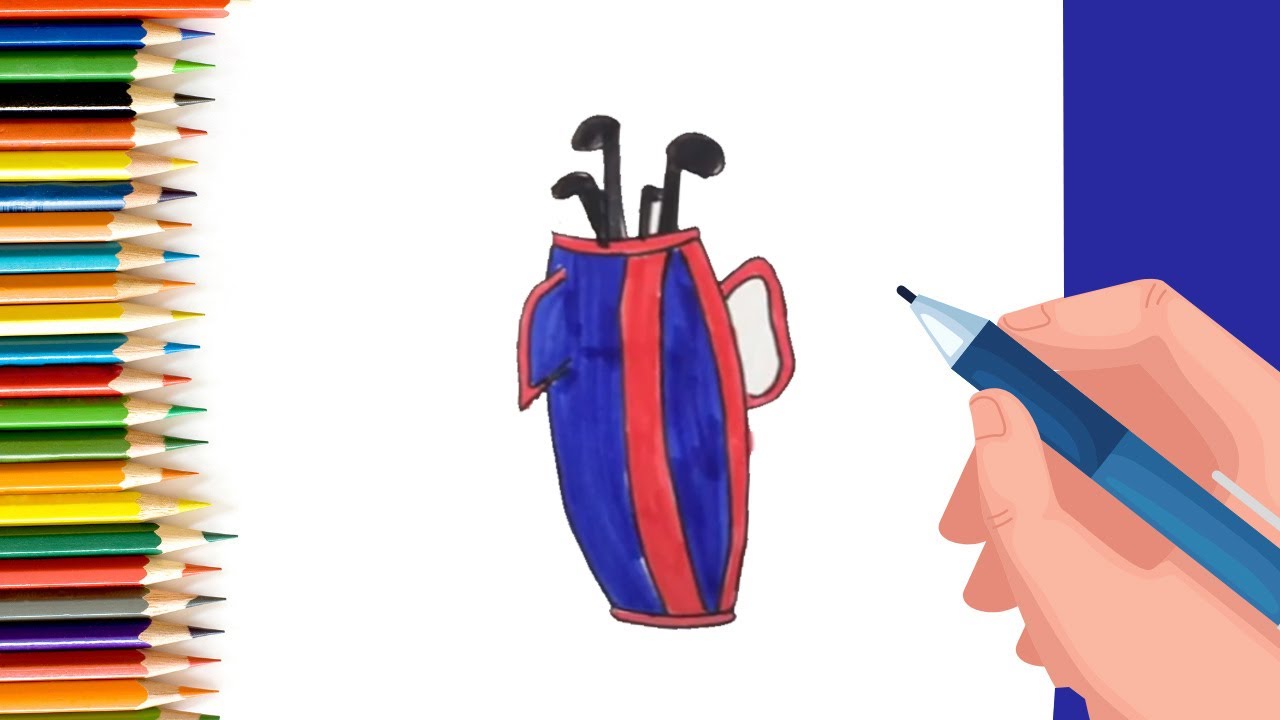
How to Draw Golf Bag
Join Parikshet on the golf course! Watch golf tips, tricks, and fun moments perfect for kids who love golf or want to start learning.
About this golf moment
Golf is one of those sports that looks calm on the outside and is full of tiny battles on the inside. Every swing involves balance, grip, focus, and a little bit of patience, and kids who play even casually pick up all four.
This clip is part of Parikshet's golf journey. He is 11 and still learning, just like most kids who give the sport a try. What you see here is real practice, real mistakes, and real progress.
Why kids enjoy golf
- It is one of the few sports where size and speed do not decide the winner
- Every shot is a chance to start fresh, no matter what the last one looked like
- It teaches patience without ever feeling like a lecture
- The score is personal, so kids compete with themselves first
Tips for parents new to golf
Start with a small set of plastic or junior clubs in the back garden. A short, soft swing is more useful than a long one early on. And if your child loves it, a local driving range is usually cheaper and friendlier than people expect.
Frequently Asked Questions
What age can kids start learning golf?
Kids can start learning golf as young as 3-4 years old with junior clubs!
What equipment do I need?
A junior golf set with a few clubs, golf balls, and access to a driving range or putting green.
You Might Also Like
- Golf Terms Every Kid Should Know #golfhacks #noobsplaygolf #golfswing #golf #kidsgolf
- Aim game #golfhacks#kidsgolf #golfswing
- What's in my Golf Bag #golf #kidsgolf #fixyourgolf #golfhacks
- How to Draw easy Golf Bag step by step for Kids #shorts
- Golf like a Pro #golfkids #kidsgolf #beginnergolf #fixyourgame
Golf Basics: How to Draw a Golf Bag Step by Step
Knowing what a golf bag looks like — and being able to draw one — helps you understand the equipment before you even step on the course. Golf bags come in many styles, but they all share the same key features. Let us learn to draw one from scratch!
Step-by-Step Instructions
- Start with the Body Shape — Draw a tall oval or rounded rectangle. The bag is tallest because it needs to hold clubs that are longer than most kids are tall.
- Add the Top Tube — At the very top, draw a wide oval opening. This is where all the club shafts stick out and where club dividers separate the different types.
- Draw the Main Pocket — Add a large rounded rectangle on the lower front of the bag. This is the biggest pocket, often used for a rain jacket or extra clothing.
- Add Smaller Pockets — Draw two smaller square pockets on the sides — one for golf balls and tees, one for a glove, phone, or scorecard.
- Draw the Bottom — Add a flat oval at the bottom of the bag to show it has a solid base that protects your clubs.
- Add Carrying Straps — Draw one or two straps from the top to the bottom so the bag can be carried on your back like a backpack.
- Colour It — Pick bright colours to make your bag stand out. Add your initials or a favourite logo as decoration.
Key Golf Bag Terms
- Dividers: Sections at the top of the bag that keep your clubs separate and prevent scratching.
- Stand Bag: A bag with pop-out legs so it stands by itself on the course.
- Caddie: A person who carries a golfer's bag and gives advice during a professional round.
- Shaft: The long pole part of a golf club that connects the grip to the clubhead.
Practice Tips
- Draw the bag multiple times in different sizes to practise getting the proportions right.
- Research different professional golf bag brands like Titleist, Callaway, and TaylorMade for design inspiration.
- Try creating your own personalised bag design with a unique logo, colour scheme, and pocket layout.
Did You Know?
Golf rules allow a maximum of 14 clubs in your bag during a round. Carrying more than 14 results in a penalty — so professional golfers choose their exact 14 very carefully before every tournament!
Try This With ChatGPT
With a grown-up, open a new ChatGPT chat and paste this prompt, changing [my age] to your age:
Explain “How to Draw Golf Bag — Fun Learning Video for Kids” to a [my age]-year-old beginner golfer in 5 steps. Then give me a 10-minute practice routine I can do safely in a big open space with a grown-up watching.
Exact steps, follow-up prompts and safety rules are in our parent-guided ChatGPT guide. More ideas: creative AI activities for kids.
🧠 Quick Quiz — Test What You Learned!
Created by Parikshet & Dad
Hi! I'm Parikshet, an 11-year-old creator from Dubai who loves drawing, art, science experiments, and golf. My dad and I run KidsFunLearnClub to share fun learning activities with kids around the world. We've created over 1,900 tutorials and videos to help you learn and have fun!
🎁 Free AI Activity Pack for Kids
20 hands-on AI activities Parikshet uses with his students — free, no credit card, instant download.
Get the Free Pack →Parikshet also teaches AI!
Join thousands of kids learning how AI works — in simple, fun lessons anyone can follow. Free activity pack included.
Explore AI for Kids → What is AI? Start here